
ABOUT SLAM
About Us
SLAM brings together residents and volunteers who share a commitment to protecting Silver Lake, its water quality, wildlife, and watershed for generations to come.
The Team
The Silver Lake Association of Madison is powered by volunteers who care deeply about the lake and the community surrounding it. Our officers and directors help guide SLAM's programs, coordinate volunteer efforts, support water-quality monitoring and conservation initiatives, communicate with members, and work with local and statewide partners on issues affecting Silver Lake and its watershed.
Together, the board helps keep SLAM focused on its mission of protecting the lake while keeping residents informed, involved, and connected.
Officers
Dave Scarborough
President
Nancy Martin
Vice President
John Summers
Treasurer
Steve Bartlett
Secretary
Directors
Ted Kramer
Cindy Lord
Paul Littlefield
Joanna Lucy
OUR PROGRAMS
What We Do
Water Monitoring
Regular water sampling and testing help SLAM track the health of Silver Lake and identify changes in water quality over time. Volunteers collect samples and measurements throughout the warmer months, building a long-term record that helps us better understand and protect the lake.

Water Sampling
Volunteers collect water samples and measurements at six locations around Silver Lake throughout the warmer months. The program tracks indicators including water temperature, clarity, lake stratification, chlorophyll, phosphorus, and pH.
SLAM also works with the University of New Hampshire on additional testing and analysis. Together, these measurements provide valuable information about changes in the lake and contribute to its long-term water-quality record.
Interested in helping? Volunteer with our Water Monitoring team.
Water Testing
After samples are collected, volunteers test them for important water-quality indicators including pH, alkalinity, and chlorophyll. Careful, consistent testing helps make the results useful for comparing conditions over time.
Water Testing is a hands-on volunteer opportunity for people interested in helping SLAM understand and protect Silver Lake's water quality. Training and equipment are provided.
Interested in helping? Volunteer with our Water Testing team.

Aquatic Invasive Species (AIS) Prevention
Preventing aquatic invasive species is far easier than controlling them after they become established. SLAM takes a two-part approach: Weed Watchers monitor Silver Lake for signs of invasive plants, while the Lake Host Program helps prevent invasive species from entering or leaving the lake on boats, trailers, and recreational gear.

Weed Watching
Weed Watchers are trained volunteers who monitor assigned sections of Silver Lake's shoreline for aquatic plants and other changes. By becoming familiar with the native plants in their section, volunteers are more likely to notice something unusual before an invasive species has a chance to become established.
Monitoring is done from canoes, kayaks, or other slow-moving boats during the summer. SLAM provides training and guidance, and suspected invasive plants are handled according to our Aquatic Invasive Species (AIS) protocol.
More Weed Watchers mean more eyes on the lake. If you'd like to help, please fill out our volunteer form.
Lake Host
The Lake Host Program helps stop aquatic invasive species before they reach Silver Lake. Trained Lake Hosts greet boaters at the launch, offer courtesy inspections of boats, trailers, and recreational gear, and help educate visitors about simple steps they can take to prevent the spread of invasive plants and animals.
These inspections have made a real difference at Silver Lake. Over the years, Lake Hosts have intercepted invasive aquatic plants on several occasions before they could be introduced into the lake.
The program is part of the statewide NH LAKES Lake Host Program and combines education with hands-on prevention at the boat ramp.
SLAM welcomes volunteers who would like to help protect the lake. Volunteer with the Lake Host Program.


Advocacy
Protecting Silver Lake sometimes means looking beyond the shoreline. SLAM follows local and state issues that could affect the lake, its watershed, and New Hampshire's freshwater resources.
We work with organizations such as NH LAKES and communicate with local and state officials when issues affecting Silver Lake warrant attention. We also keep our members informed—including through our e-mail newsletter—so they can better understand decisions that may affect the lake and its surrounding watershed.
SLAM’s Lake Smart Program
How LakeSmart Works
What happens on our properties can have a direct effect on Silver Lake. LakeSmart is a free, voluntary, non-regulatory program that helps property owners understand how landscaping, runoff, septic systems, shorelines, and other property-management choices can affect lake health.
Small changes can make a meaningful difference. Through LakeSmart, property owners can learn practical ways to reduce runoff, protect water quality, support wildlife habitat, and make their properties more lake-friendly.
• Learn practical lake-friendly approaches for your property.
• Get guidance tailored to local conditions and your property.
• Request a voluntary, confidential property evaluation.
• Connect with SLAM's local LakeSmart representative for help getting started.
Ready to get started? Visit the LakeSmart Signup page.
Why We Love Silver Lake
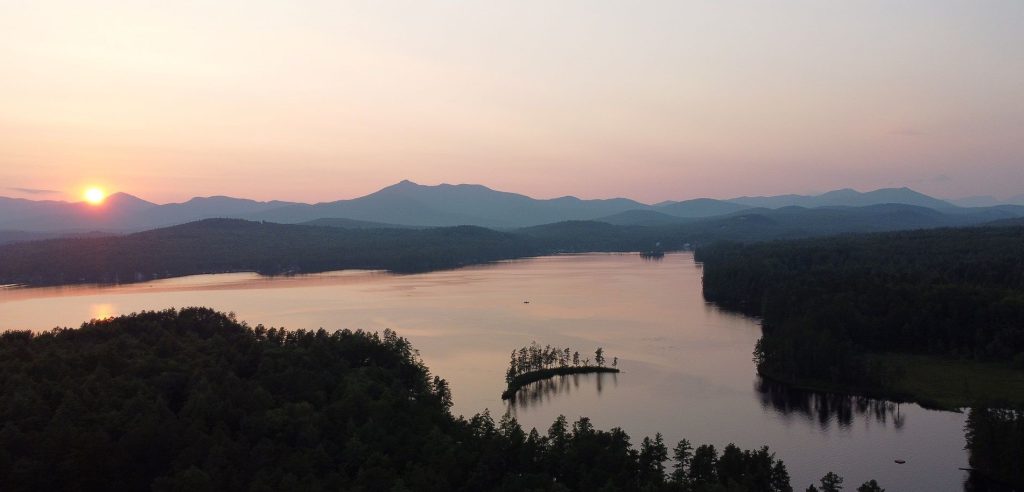
Much of the lake's perimeter is forested, but there are numerous swimming spots. Popular beaches include “South Beach”, “Nichols Beach”, and “Monument Beach.” It was the summer home of e. e. cummings whose father had built two houses on the lake's eastern shore and later purchased the nearby Joy Farm where Cummings spent most of his summers as well as his final days. The monument at Monument Beach is in memory of his father, Rev. Edward Cummings.
SWIMMING · WOODED PERIMETER · PRISTINE WATER QUALITY · TOWN MAINTAINED BEACHES