
PROTECTING SILVER LAKE
Lake Threats
Understanding the challenges facing Silver Lake is the first step toward protecting its water, shoreline, and watershed.
Cyanobacteria
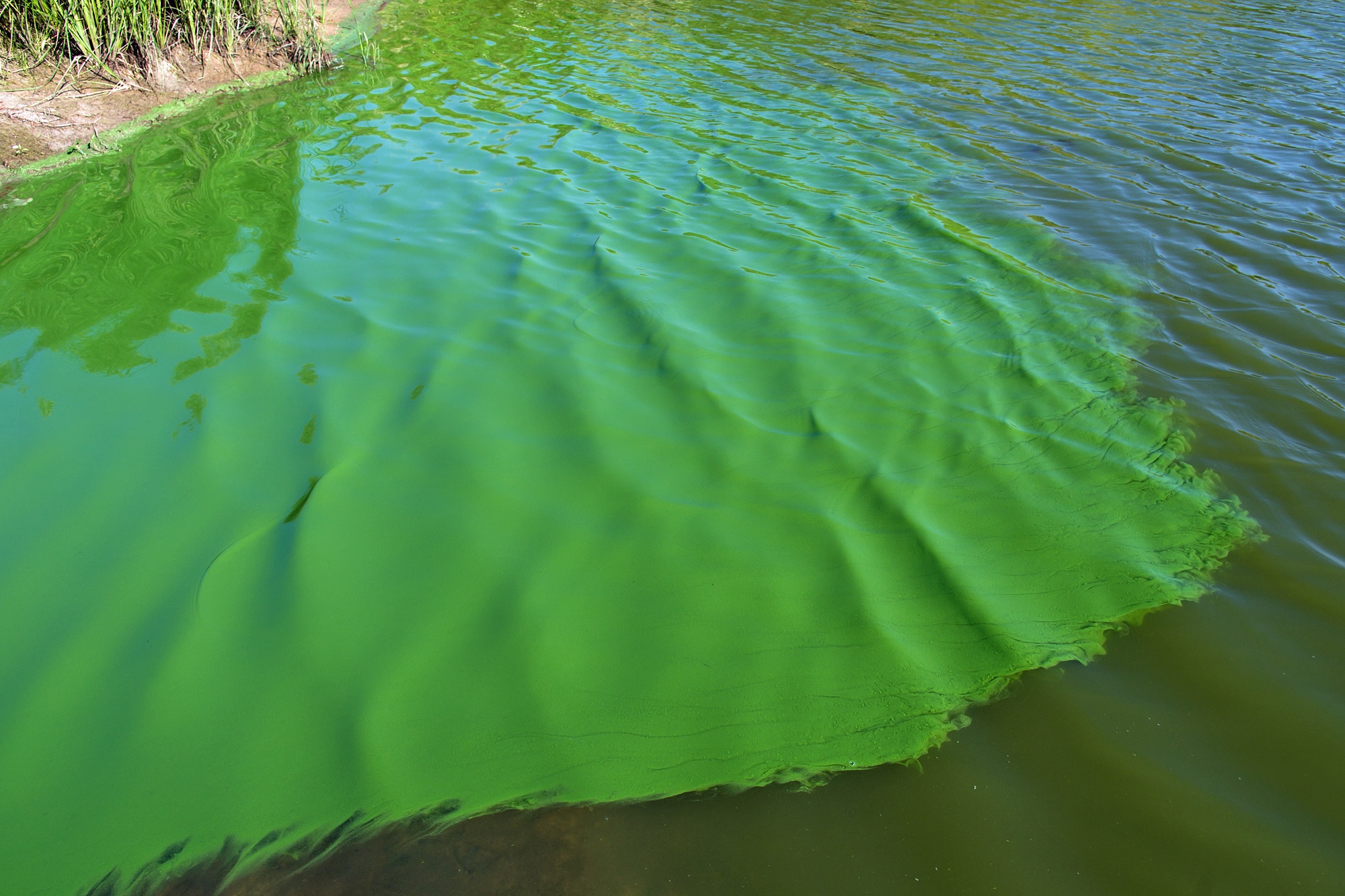
Cyanobacteria are naturally occurring organisms found in lakes and ponds, but under certain conditions they can multiply rapidly and form blooms that may produce toxins. Silver Lake experienced its first recorded toxic cyanobacteria bloom in September 2023, making prevention, monitoring, and a clear response plan increasingly important to our community.
SLAM works to better understand the conditions that contribute to blooms, coordinates with the Town of Madison, and maintains a response protocol so suspected blooms can be identified and addressed promptly.
If you suspect a cyanobacteria bloom on Silver Lake, please follow the SLAM Cyanobacteria Protocol.
Aquatic Invasive Species
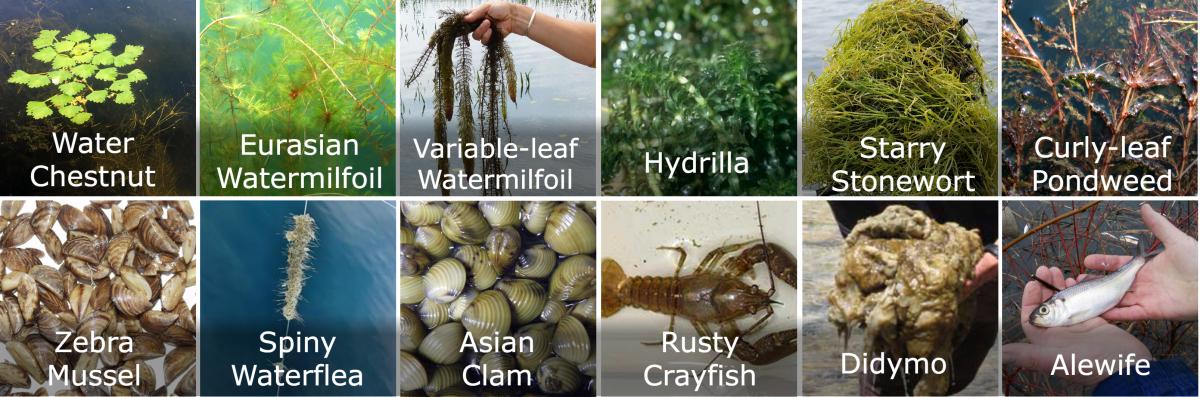
Aquatic invasive species are non-native plants and animals that can spread rapidly, disrupt native ecosystems, interfere with recreation, and be extremely difficult to control once established. Boats, trailers, fishing equipment, and other gear can carry invasive species from one water body to another.
Prevention and early detection are Silver Lake's best defenses. SLAM works on both fronts through the Lake Host program at the public boat launch and volunteer Weed Watchers who monitor the shoreline for suspicious aquatic plants.

Threats From the Watershed
Silver Lake is connected to a much larger watershed, so activities well beyond the shoreline can affect the lake. Stormwater runoff can carry nutrients such as phosphorus into streams and ultimately into Silver Lake, contributing to conditions that can encourage algae and cyanobacteria growth.
SLAM's watershed work is also helping the community better understand other potential sources of contamination within the watershed. Rather than addressing these issues in isolation, the Watershed Management Program looks at how water moves through the entire system and where protective measures can have the greatest impact.
Explore Watershed Management →WHAT YOU CAN DO
Everyone Can Help Protect Silver Lake
Protecting Silver Lake depends on early detection, preventing the spread of invasive species, and reducing impacts throughout the watershed. A few practical actions can make a meaningful difference.
Watch for cyanobacteria
If you see a suspicious bloom or surface accumulation, follow the SLAM Cyanobacteria Protocol.
Clean boats and equipment
Help prevent aquatic invasive species from reaching Silver Lake and support the Lake Host program.
Watch the shoreline
Learn how SLAM's Weed Watchers help detect invasive aquatic plants before they become established.
Reduce runoff from your property
LakeSmart helps property owners identify practical ways to reduce runoff and protect lake water quality.